
Abstract
Selecting the right DC filter is one of the most consequential decisions in power electronics procurement. Specify too conservatively and you risk system failures, failed EMC certifications, and costly redesigns. Overspecify and you absorb unnecessary unit costs, extended lead times, and inflated BOM expenses that erode project margins.
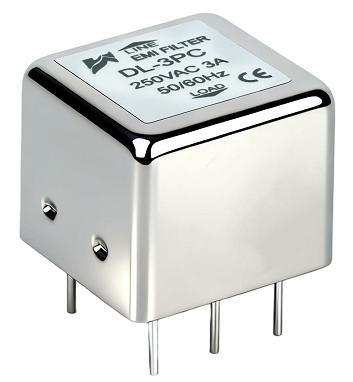
This article delivers a structured, data-driven comparison between Standard Performance DC Filters and High-End DC Filters across five critical dimensions: operating principles, technical specifications, regulatory compliance, application fit, and total cost of ownership. Whether you are an electrical engineer validating a filter for a new OEM platform or a procurement manager rationalizing a component portfolio, this guide provides the decision framework to match filter tier to actual system requirements — and avoid paying a premium you do not need.
The central thesis: for the majority of industrial and commercial power applications, a well-specified Standard Performance DC Filter delivers full compliance, adequate attenuation, and measurably better commercial value than its high-end counterpart.
1. Understanding DC Filter Technology: Core Principles & Product Tiers
1.1 How DC Filters Work
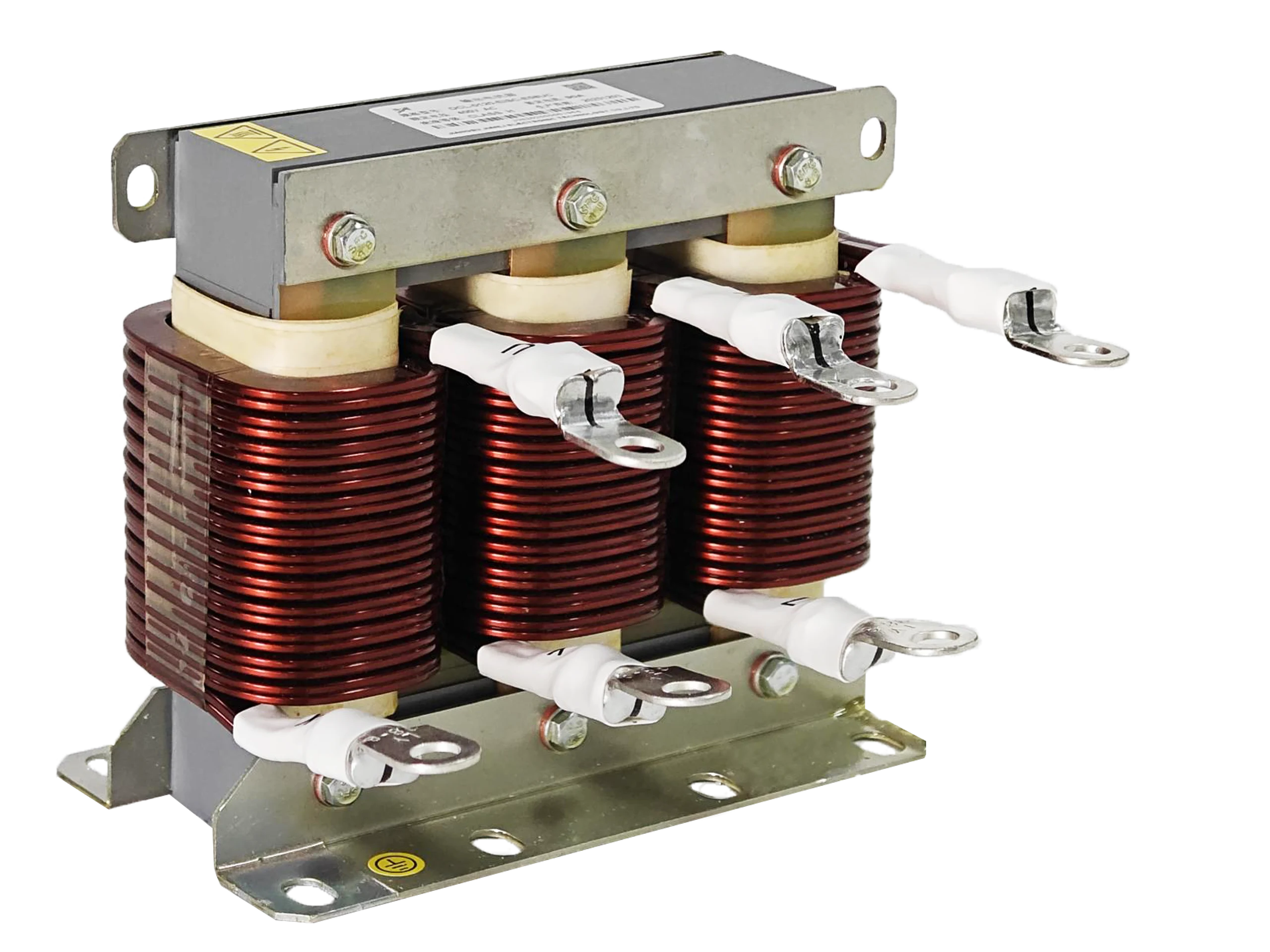
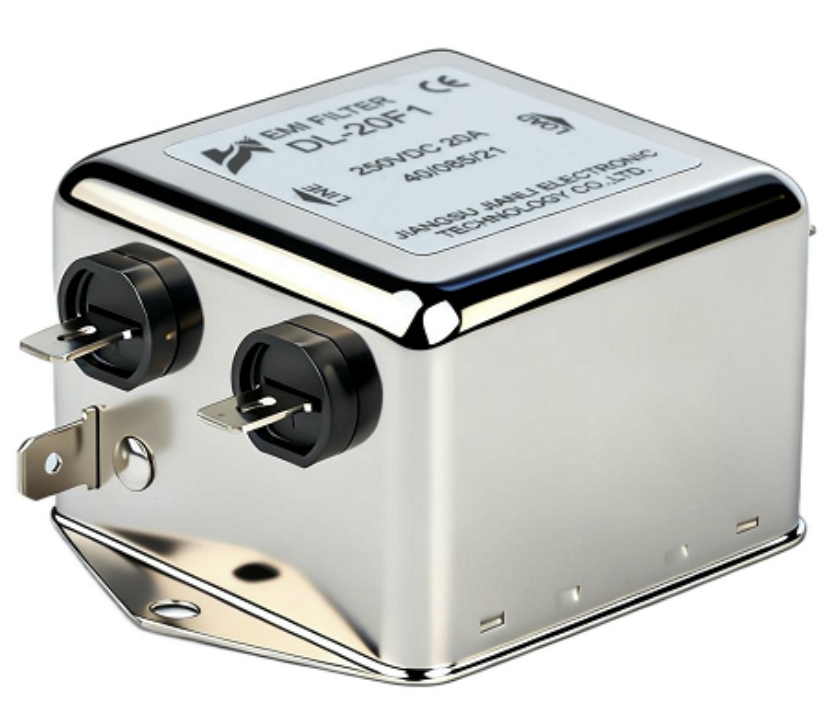
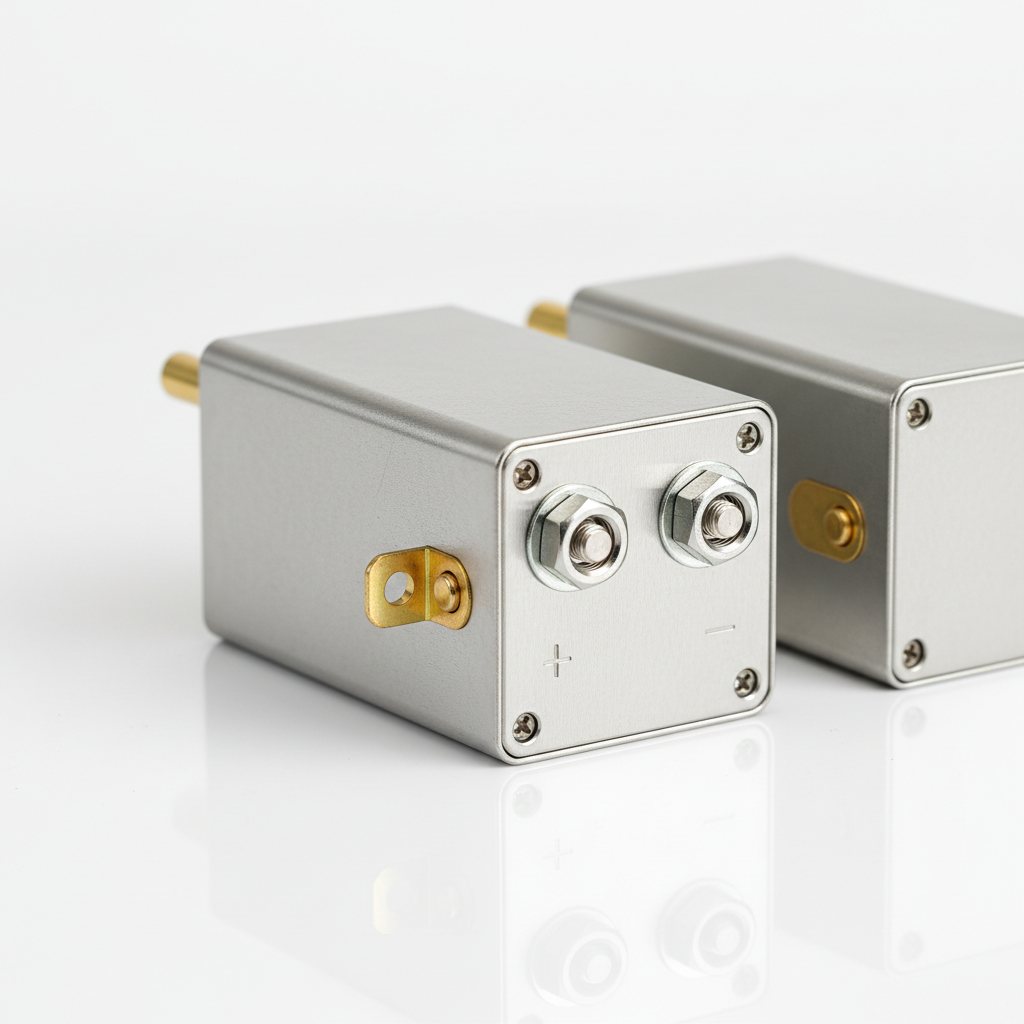
A DC filter suppresses electromagnetic interference (EMI) conducted along DC power lines by attenuating unwanted high-frequency noise while allowing the intended DC signal to pass with minimal impedance. The suppression mechanism relies on a passive LC network — inductors oppose rapid current changes while capacitors shunt high-frequency voltage transients to ground.
In practice, the filter’s insertion loss curve defines its effectiveness across a frequency spectrum, typically measured in decibels (dB) from 10 kHz to 30 MHz. Ripple attenuation is the primary performance metric: a filter must reduce voltage ripple to levels that protect downstream sensitive loads and satisfy conducted emissions limits defined by regulatory standards.
The component topology — whether a single-stage LC, multi-stage π-filter, or T-filter — directly determines attenuation depth, self-resonant frequency, and current handling capacity. Standard Performance DC Filters typically employ proven single- or dual-stage topologies optimized for cost efficiency and predictable performance in defined operating windows.
1.2 What Defines “Standard” vs “High-End” Performance
The tier distinction is not arbitrary marketing language. It maps to measurable engineering parameters:
- Attenuation depth: Standard filters typically deliver 40–60 dB insertion loss at 1 MHz; high-end variants achieve 70–100 dB or beyond.
- Rated voltage and current thresholds: Standard tiers cover the 50–600 VDC and 1–100 A ranges most common in industrial OEM applications. High-end filters extend into higher voltage rails and tighter tolerance bands.
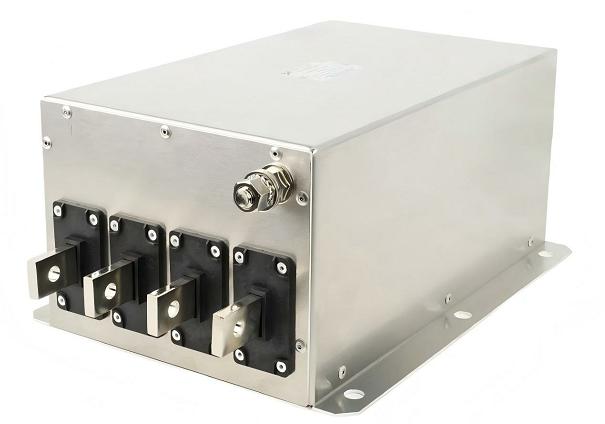
- Build quality benchmarks: High-end filters incorporate premium-grade film capacitors, toroidal wound inductors with lower DCR, and ruggedized housings rated for extreme thermal cycling.
- Frequency response precision: High-end designs maintain flat attenuation across broader bandwidths, critical in high-switching-frequency environments above 100 kHz.
Understanding where your application sits within these parameters is the first step toward a cost-aligned specification.
2. Technical Specifications & Compliance Standards
2.1 Key Parameter Comparison
The table below provides a side-by-side reference for the parameters most relevant to procurement and engineering validation decisions.
| Parameter | Standard Performance DC Filter | High-End DC Filter |
|---|---|---|
| Rated Voltage | 50–600 VDC | Up to 1500 VDC |
| Rated Current | 1–100 A | 1–200 A (tighter tolerance) |
| Insertion Loss @ 1 MHz | 40–60 dB | 70–100+ dB |
| Operating Temperature | -25°C to +85°C | -40°C to +105°C (or higher) |
| Certifications | CE, RoHS, IEC 61000-4-x | CE, UL, MIL-spec, AEC-Q200, RoHS |
| Typical Price Range | $8–$80 USD per unit | $80–$500+ USD per unit |
These figures represent industry-representative benchmarks. Actual specifications vary by manufacturer and product family.
2.2 Regulatory & Certification Requirements
For most industrial automation, HVAC, and commercial power supply applications, the CE marking combined with IEC 61000-3-2 (harmonic current emissions) and IEC 61000-4-4/5 (EFT/Burst and Surge immunity) compliance is the baseline requirement. Standard Performance DC Filters are fully capable of meeting these thresholds when properly specified.
High-end filters become a compliance necessity in specific verticals:
- Electric Vehicle (EV) charging infrastructure: Requires AEC-Q200 component qualification and compliance with IEC 61851 and UN ECE R10.
- Telecom and data center power: NEBS Level 3 and ETSI EN 300 132 standards impose stringent conducted emissions floors.
- Defense and aerospace: MIL-STD-461 demands attenuation levels and environmental resilience that only premium-grade filters reliably achieve.
If your application does not appear in the above list, a Standard Performance DC Filter almost certainly satisfies your compliance obligations at a fraction of the cost.
3. Application Scenarios: Matching Filter Tier to Real-World Needs
3.1 Where Standard Performance DC Filters Excel
Standard Performance DC Filters are the engineering-appropriate choice for the following environments:
- Light to medium industrial equipment: CNC machine tools, conveyor drives, and automated assembly systems operating in stable factory environments with controlled EMI profiles.
- Cost-sensitive OEM builds: Where BOM cost targets are fixed and the EMC environment is well-characterized, standard filters deliver compliance without margin erosion.
- Mid-range power supply systems: 24–48 VDC distributed power architectures in building automation, industrial IoT gateways, and PLC control panels.
- Stable low-noise environments: Applications where the primary interference source is switching frequency harmonics from onboard converters rather than external high-energy transients.
In these scenarios, the additional attenuation depth of a high-end filter provides no measurable system benefit — it is specification margin that is never utilized.
3.2 When High-End DC Filters Are Justified
The investment in a high-end DC filter is technically justified — not merely preferred — in the following conditions:
- High-frequency switching environments: Inverters and converters operating above 100 kHz generate broadband noise that demands steeper roll-off and higher insertion loss across extended frequency ranges.
- Mission-critical infrastructure: Uninterruptible power systems, medical device power rails, and industrial safety systems where downtime carries regulatory or safety consequences.
- Stringent EMC test requirements: Applications requiring pre-compliance margin headroom above the regulatory limit to absorb production unit-to-unit variation.
- Harsh operating conditions: Outdoor installations, subsea enclosures, or automotive under-hood environments with wide thermal excursions and vibration exposure.
The decision is binary: if your operating environment or compliance target exceeds the performance envelope of a standard filter, upgrade. If it does not, the premium is waste.
4. Commercial Value & Total Cost of Ownership Analysis
4.1 Upfront Cost vs Long-Term ROI
The unit price delta between standard and high-end DC filters ranges from 5× to 20× depending on current rating and certification scope. At volume procurement (1,000+ units annually), this translates directly to five- or six-figure BOM cost differences per product line.
However, the TCO analysis must also account for:
- Lifecycle maintenance cost: High-end filters with premium capacitors and lower thermal stress typically demonstrate longer MTBF figures — 100,000+ hours vs 50,000–80,000 hours for standard tiers under identical operating conditions. For accessible, field-replaceable installations, this difference may not justify the upfront delta.
- Downtime risk weighting: In applications where a filter failure triggers a production line halt or safety shutdown, the cost of downtime can dwarf the price premium of a high-end component. This is the legitimate ROI argument for upgrading.
- Procurement volume impact: Standard Performance DC Filters benefit from broader supplier availability, shorter lead times (typically 4–8 weeks vs 12–20 weeks for specialty high-end variants), and more competitive spot pricing — reducing procurement risk in supply-constrained markets.
For most OEM and industrial automation buyers, the TCO calculus favors the standard tier unless the application explicitly demands otherwise.
4.2 Decision Framework for Procurement Teams
Use the following checklist to determine filter tier before issuing an RFQ:
Upgrade to High-End if ANY of the following apply:
- [ ] Switching frequency exceeds 100 kHz
- [ ] Operating temperature range exceeds -25°C to +85°C
- [ ] Application requires UL, MIL-spec, or AEC-Q200 certification
- [ ] Insertion loss requirement exceeds 60 dB at 1 MHz
- [ ] Downtime cost per hour exceeds $10,000 USD
Standard Performance DC Filter is appropriate if ALL of the following apply:
- [ ] CE + RoHS compliance satisfies all regulatory obligations
- [ ] Operating environment is stable and well-characterized
- [ ] Switching frequency is below 100 kHz
- [ ] Annual procurement volume exceeds 500 units (maximizing cost leverage)
This framework eliminates subjective over-specification and gives procurement teams a defensible, auditable basis for component selection.
FAQ
1. Can a Standard Performance DC Filter meet IEC 61000 compliance requirements for industrial automation applications?
Yes. Standard Performance DC Filters are designed to satisfy IEC 61000-3-2 harmonic emissions limits and IEC 61000-4-4/5 immunity requirements, which cover the vast majority of industrial automation applications. Compliance depends on correct installation, proper grounding, and selecting a filter with adequate current and voltage ratings for the specific circuit. Always verify insertion loss data against your system’s conducted emissions test results.
2. What is the typical lifespan difference between Standard and High-End DC Filters under continuous operation?
Under identical operating conditions at rated load and temperature, high-end DC filters typically specify MTBF values of 100,000 hours or greater, compared to 50,000–80,000 hours for standard performance tiers. In practice, operating a standard filter within 70–80% of its rated parameters significantly extends service life and narrows this gap. For applications with accessible maintenance schedules, the lifespan delta rarely justifies the cost premium.
3. How do I determine whether my system’s EMI environment justifies the cost premium of a High-End DC Filter?
Conduct or commission a pre-compliance EMC scan of your system with the standard filter installed. If conducted emissions measurements show margin greater than 6 dB below the regulatory limit across the full frequency range, the standard filter is sufficient. If measurements are within 6 dB of the limit or exceed it, evaluate whether layout optimization and shielding improvements can restore margin before defaulting to a high-end filter upgrade.
Conclusion
The optimal DC filter specification is determined by application environment, compliance requirements, and total cost of ownership — not by defaulting to the highest-performance tier available. High-End DC Filters deliver genuine value in mission-critical, high-frequency, or extreme-environment applications where their additional attenuation depth and extended certification scope are technically necessary.
For the majority of industrial automation, OEM power supply, and commercial equipment applications, a properly specified Standard Performance DC Filter meets every compliance obligation, performs reliably across its rated service life, and delivers substantially better commercial value. The procurement decision is straightforward: match the specification to the requirement, validate with data, and avoid the cost of performance you will never use.